 EN
EN




Ingredients
- What is Hyperhidrosis? Why Does It Happen?
- Distinction between Primary and Secondary Excessive Sweating
- Regional Sweating Areas That Make Social Life Difficult: Hand, Foot and Armpit
- Excessive Sweating Treatment Methods
- Non-Surgical Solutions: Iontophoresis, Botox, and Lotions
- Permanent Solution: ETS Surgery (Endoscopic Thoracic Sympathectomy)
- What is ETS Surgery (Excessive Sweating Surgery)?
- Differences Between Clip-On ETS and Sympathectomy Techniques
- Single-Hole Closed Surgery (VATS) Technology
- Who is ETS Surgery Applied to?
- Surgical Success for Hand Sweating and Facial Flushing (Blushing)
- Preoperative Sweating Mapping: Minor Test
- ETS Surgery Process and Recovery Stages
- Surgery Preparation and General Anesthesia Process
- Same Day Discharge and Return to Social Life
- Frequently Asked Questions
- Does Sweating Go Away Completely After ETS Surgery?
- Does Surgery Leave Scars?
- In Which Parts of the Body Does Reflex Sweating Occur?
- Scientific Bibliography
Hyperhidrosis is a condition in which the body produces much more sweat than it needs to maintain heat balance.
Excessive sweating, especially in the hands, armpits and face area, can seriously limit a person’s social life, work performance and psychological well-being.
Overactive sweat glands are often a structural condition and are triggered by the sympathetic nervous system sending out of control signals.
ETS surgery, which is a surgical intervention for patients who cannot get results with traditional methods (creams, botox, etc.), offers a permanent and definitive solution.
Thanks to modern surgical techniques, the problem of excessive sweating can now be ended within minutes with closed operations performed by entering through a single small hole.
What is Hyperhidrosis? Why Does It Happen?
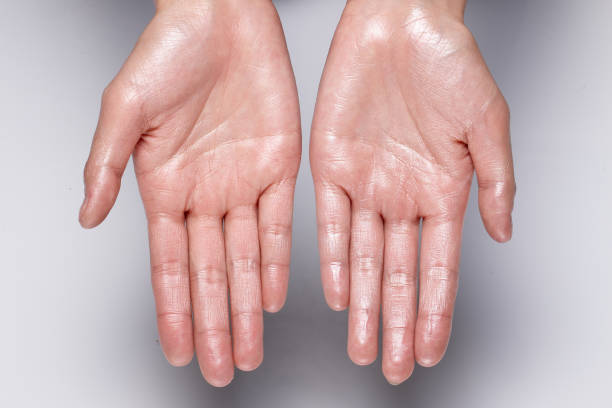
Hyperhidrosis is defined as a person “staying in water” not only in hot weather, but even when excited or at complete rest.
The sweating mechanism is the body’s cooling system; However, in hyperhidrosis patients, this system constantly works at the highest speed.
Patients often avoid shaking hands and experience social isolation due to sweat marks on their clothes.
Distinction between Primary and Secondary Excessive Sweating
The first step in diagnosis is to understand whether there is an underlying disease for sweating.
- Primary Hyperhidrosis: It usually starts in childhood or adolescence and only affects specific areas such as the hands, feet, face, or armpits.
- Secondary Hyperhidrosis: It is a symptom of another health problem, such as diabetes, thyroid diseases or menopause, and sweating is usually seen all over the body.
Regional Sweating Areas That Make Social Life Difficult: Hand, Foot and Armpit
Hand sweating (palmar hyperhidrosis) can be severe enough to make it difficult for the patient to hold pen and paper or to impair electronic devices.
Underarm sweating, on the other hand, shakes the self-confidence of the person by leaving a bad odor and permanent wetness on the clothes.
Facial sweating and the accompanying sudden blushing can turn into a psychological burden that makes it impossible for the person to speak in front of a crowd.
Excessive Sweating Treatment Methods
The treatment plan is created in a stepwise manner according to the severity of the patient’s complaints and the width of the affected area.
Non-Surgical Solutions: Iontophoresis, Botox, and Lotions
In mild and moderate cases, non-surgical methods can be tried; However, the results of these methods are usually temporary.
- Botox Application: It blocks the nerve endings going to the sweat glands, its effect lasts for about 6 months and needs to be repeated regularly.
- Iontophoresis: It is the holding of the hands in a water bath in which an electric current is applied; It is difficult to sustain because it requires frequent sessions.
- Clinical Lotions: They are aluminum chloride-based products that temporarily clog pores and can cause skin irritation.
Permanent Solution: ETS Surgery (Endoscopic Thoracic Sympathectomy)
ETS surgery is a technical intervention in the sympathetic nerve chain that controls regional sweating.
The aim of this procedure is not to eliminate the sweat glands, but to stop the nerve signals that lead them to the “sweat” command at a certain level.
The effect of the operation is usually seen while the patient is still on the operating table; Hands instantly become dry and warm.
What is ETS Surgery (Excessive Sweating Surgery)?
ETS is a modern surgical procedure performed under general anesthesia with a closed method and takes about 20-30 minutes.
The sympathetic nerve chain passing through the rib cage is monitored with camera systems and intervened at the targeted level.
Differences Between Clip-On ETS and Sympathectomy Techniques
While cutting or burning nerves was preferred in the past, today the “Clip-on ETS” method is more common.
In the clip-on method, the nerve is not cut; Nerve conduction is suppressed with the help of a titanium clip.
The biggest advantage of this technique is that the operation is reversible due to side effects that may develop in rare cases.
Single-Hole Closed Surgery (VATS) Technology
These surgeries, which used to be performed with large incisions, are now performed through a single 1-centimeter hole opened under the armpit.
Thanks to this technology, called Video-Assisted Thoracoscopic Surgery (VATS), no muscle incision is made and tissue damage is minimal.
Who is ETS Surgery Applied to?
ETS surgery is recommended for suitable candidates whose lives are unbearable and who do not respond to other treatments.
Surgical Success for Hand Sweating and Facial Flushing (Blushing)
The group with the highest success rate of ETS is patients with hand sweating (approximately 98%) and facial flushing.
The success rate of armpit sweating is high; however, ETS surgery performed in the chest area for foot sweating does not offer a direct solution.
Preoperative Sweating Mapping: Minor Test
The “Starch-Iodine Test” (Minor Test) can be used to determine the intensity and area of sweating before surgery.
This test guides the surgeon on which level of the nerve chain needs to be intervened.
ETS Surgery Process and Recovery Stages
The surgical process is fast, effective and has a flow that prioritizes the patient’s comfort.
Surgery Preparation and General Anesthesia Process
Patients are prepared for the operation with routine blood tests and chest X-rays.
Special anesthesia techniques are used to prevent the lungs from deflating during the surgery and the patient does not feel any pain throughout the procedure.
Same Day Discharge and Return to Social Life
A few hours after the operation, the patient can stand up and is usually discharged on the same day.
Small incisions that do not require stitches or use self-dissolving stitches close within 2-3 days and do not leave scars.
Sweating Treatments Comparison Table
| Feature | Botox Application | Clip-on ETS Surgery |
| Persistence | 4 – 6 Months | Lifetime |
| Processing Time | 15 Minutes | 30 Minutes |
| Hospitalization | Not required | Same Day Discharge |
| Effect Speed | 1 Week Later | Instant (Moment of Surgery) |
| Success Rate | Medium | Very High (98%) |
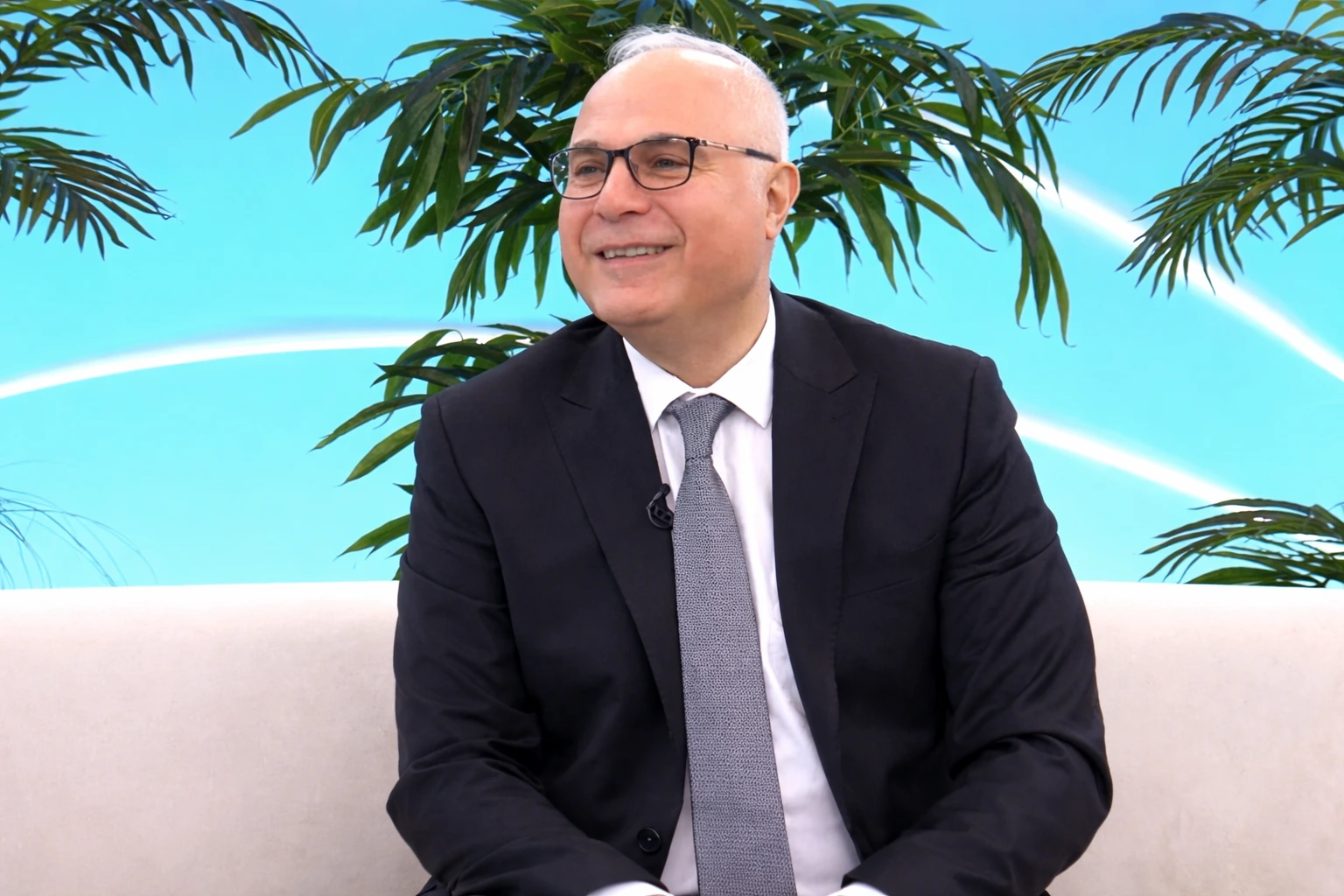
Prof. Dr. Levent Alpay: Excessive sweating is not only a skin problem, but also a self-confidence problem. It is one of the greatest comforts offered by medicine that a patient who is afraid to shake hands and always walks around with spare clothes can get rid of this problem with a 20-minute closed surgery. The main reason why we prefer the clip-on ETS method is the sense of trust it offers to the patient as well as surgical success. The warming and drying of the hands as soon as you come out of surgery is the beginning of a new life.
Case Experience (Anonymous):
Our 25-year-old university student patient was wetting the papers during exams and avoiding social environments due to his hands being constantly wet. T2 and T3 levels were intervened with clip-on ETS surgery. Our patient, who saw that his hands were dry and hot as soon as he woke up from the operation, was discharged home in the evening of the same day. In the 2nd postoperative follow-up, it was observed that the patient’s social life was completely improved and he did not experience any side effects.
If your social life is restricted due to excessive sweating and you are looking for a permanent solution, you can make an appointment with our clinic for suitability evaluation for ETS surgery and seek expert opinion.
Frequently Asked Questions
Does Sweating Go Away Completely After ETS Surgery?
Yes, sweating in the intervened area (hands, face or armpits) ends permanently as soon as the surgery is over.
Does Surgery Leave Scars?
Since it is entered through a single hole of approximately 1 cm opened under the armpit, there is no visible surgical scar when the wound heals.
In Which Parts of the Body Does Reflex Sweating Occur?
Reflex sweating (compensatory sweating) is a slight increase in sweating in areas such as the back, belly or back of the legs to maintain the body’s heat balance; In the vast majority of patients, this situation is at a level that does not disturb comfort.
Scientific Bibliography
- Society of Thoracic Surgeons (STS): Clinical Practice Guidelines for Hyperhidrosis
- PubMed (NCBI): Long-term Results of Clipped ETS for Palmar Hyperhidrosis
- Journal of Thoracic Disease (2017): Thoracic sympathectomy for hyperhidrosis: from surgical indications to clinical results – Vannucci F et al.
- International Hyperhidrosis Society: Surgical Treatments and Outcomes