 EN
EN




Ingredients
- What is Esophageal Hernia? How is it formed?
- Aperture (Hiatus) and Anatomical Disorder
- Is Esophageal Hernia the Same as Hiatal Hernia?
- Types of Esophageal Hernias and Their Classification
- Type 1: Sliding Type (Sliding) Esophageal Hernia
- Types 2, 3 and 4: Paraesophageal (Stomach Burn) Hernias
- What are the Symptoms of Esophageal Hernia?
- Heartburn, Chest Pain and Reflux Complaints
- Difficulty Swallowing and Bitter Water in the Mouth
- Esophageal Hernia Causes and Risk Factors
- Conditions That Increase Intra-Abdominal Pressure and Obesity
- Aging and Weakening of the Diaphragm Muscle
- Esophageal Hernia Diagnosis and Diagnostic Methods
- Upper Gastrointestinal Endoscopy (Gastroscopy)
- Barium Gastric X-ray and Manometry Test
- Esophageal Hernia Treatment Options
- Medication and Dietary Habits
- Surgical Treatment: Laparoscopic Nissen Fundoplication
- Use of Patch (Mesh) in Hernia Repair
- Postoperative Considerations and Diet
- Frequently Asked Questions
- How long does esophageal hernia surgery take?
- Does Hernia Cause Heart Palpitations?
- Does Esophageal Hernia Go Away Without Surgery?
- Scientific Bibliography
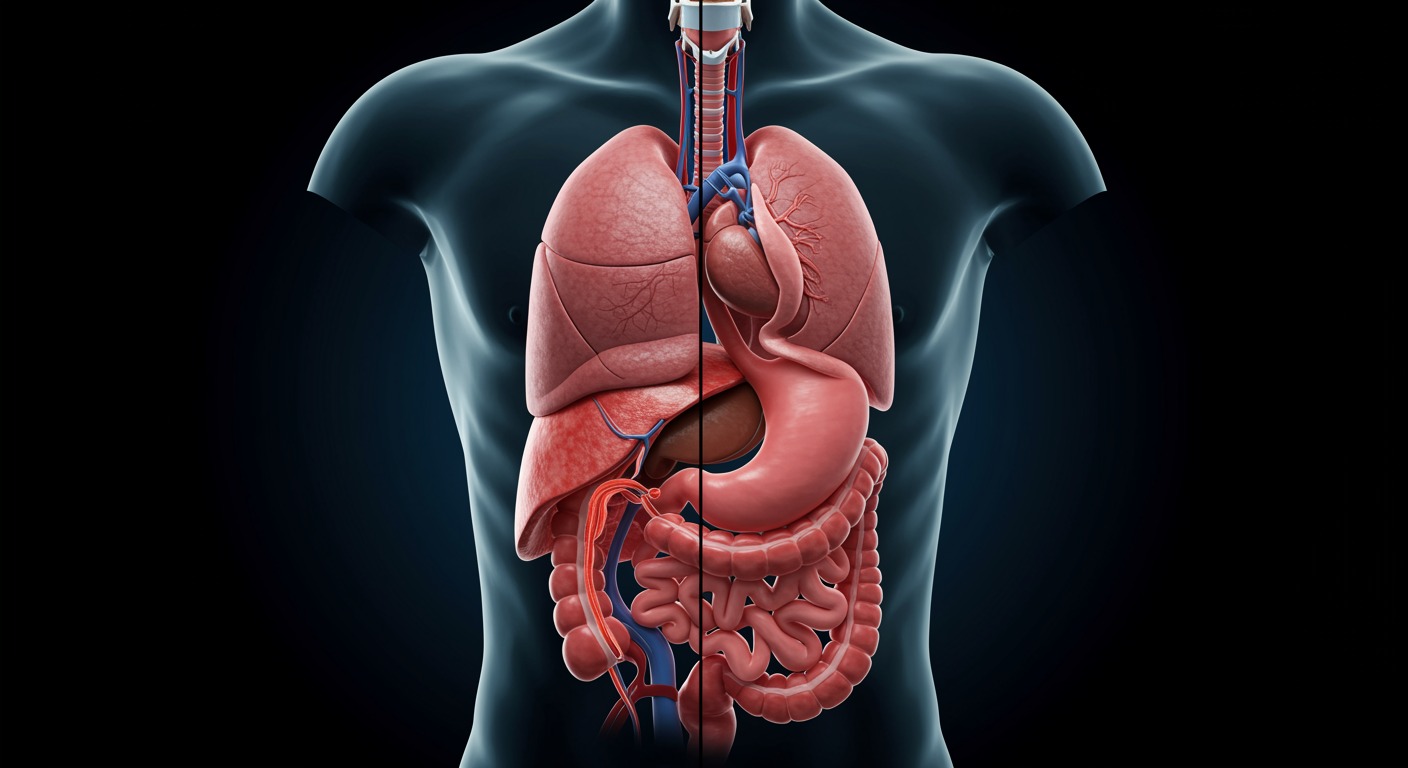
Esophageal hernia, medically known as hiatus hernia, is a condition in which the upper part of the stomach slides upward through a natural opening in the diaphragm muscle (hiatus) and into the chest cavity.
Under normal conditions, the diaphragm is a strong layer of muscle that separates the rib cage and abdominal cavity and has a small opening for the esophagus to pass through.
As a result of the expansion or stretching of this opening for various reasons, a part of the stomach “herniates” out of this cavity and goes up, disrupting the normal functioning of the digestive system.
Esophageal hernia is not only an anatomical problem, but also the main source of complaints that reduce the quality of life, such as chronic reflux, heartburn and difficulty swallowing.
In modern medicine, this opening can be repaired with laparoscopic (closed) methods and the patient can get rid of stomach acid permanently.
What is Esophageal Hernia? How is it formed?
An esophageal hernia is an unwanted journey of the stomach into the rib cage.
The diaphragm muscle supports a valve mechanism (sphincter) that tightly grips the esophagus and prevents stomach acid from escaping upwards.
But when this opening, called the hiatus, expands, stomach acid and the stomach itself begin to leak up, leading to tissue irritation and inflammation.
Aperture (Hiatus) and Anatomical Disorder
Looking at the anatomy, the junction between the esophagus and stomach should be exactly at or below the diaphragm.
When a hiatus hernia develops, this junction point slides into the chest; This disrupts the body’s pressure balance and prepares the ground for stomach contents to escape freely into the esophagus.
Is Esophageal Hernia the Same as Hiatal Hernia?
The disease, popularly known as “gastric hernia”, is actually called “esophageal hernia” or “hiatal hernia” in medical language.
Unlike an umbilical hernia or inguinal hernia that appears in the abdominal wall, this condition occurs deep in the body, in the muscle layer between the ribcage and the abdominal cavity.
Although both terms refer to the same anatomical problem, the use of hiatus hernia is more common in surgical terminology.
Types of Esophageal Hernias and Their Classification
The shape of the hernia and how much of the stomach goes up determines the treatment method to be applied.
Type 1: Sliding Type (Sliding) Esophageal Hernia
It is the most common type (95% of cases) and occurs when the junction of the esophagus and stomach slides up and down.
It usually manifests itself with heartburn and reflux; small ones can be followed with medication, while large ones may require surgery.
Types 2, 3 and 4: Paraesophageal (Stomach Burn) Hernias
In these species, the upper part of the stomach herniates upwards from the side of the esophagus; The stomach junction may remain in place (Type 2) or it may slide up (Type 3).
In type 4 hernias, other organs such as the intestines or spleen can enter the chest along with the stomach.
Paraesophageal hernias usually have to be repaired surgically because they carry the risk of compression and strangulation of the stomach.
What are the Symptoms of Esophageal Hernia?
Small hernias sometimes cause no symptoms, while large hernias cause symptoms that make daily life difficult.
Heartburn, Chest Pain and Reflux Complaints
The most common symptom is a burning sensation behind the chest, which increases especially after meals or when leaning forward.
This pain can sometimes be so severe that the patient may apply to the emergency room, thinking that he is having a heart attack.
Difficulty Swallowing and Bitter Water in the Mouth
Having the stomach up can mechanically make it difficult for food to descend into the stomach and create a knot sensation in the throat.
In addition, it is common for stomach acid and undigested food to come back into the mouth (regurgitation) when lying down.
Esophageal Hernia Causes and Risk Factors
The development of hernia is often associated with weakening of the diaphragm tissue and increased internal pressure over time.
Conditions That Increase Intra-Abdominal Pressure and Obesity
Excess weight increases intra-abdominal pressure, forcing the stomach upward and causing the diaphragm opening to stretch.
Heavy lifting, straining due to constant constipation or chronic persistent coughing fits are also among the factors that trigger hernia formation.
Aging and Weakening of the Diaphragm Muscle
As age progresses, muscle tissues in the body lose their elasticity; For this reason, the incidence of hiatus hernia increases in individuals over the age of 50.
In addition, previous major abdominal surgeries or blows to the diaphragm area can also disrupt the anatomical structure.
Esophageal Hernia Diagnosis and Diagnostic Methods
During the diagnosis phase, the size of the hernia and the damage caused by stomach acid are clearly revealed.
Upper Gastrointestinal Endoscopy (Gastroscopy)
By entering the esophagus with the help of a lighted camera, the presence of a hernia and the level of irritation (esophagitis) in the esophagus are directly observed.
Barium Gastric X-ray and Manometry Test
X-rays, which are taken by giving the patient a lime-like liquid (barium), show the position of the stomach on the diaphragm like a map.
The manometry test, on the other hand, measures the force of contraction of the esophageal muscles, guiding surgical planning.
Esophageal Hernia Treatment Options
The treatment approach is planned in steps according to the severity of the patient’s complaints and the type of hernia.
Medication and Dietary Habits
In small hernias that only cause reflux, medications that suppress stomach acid (PPIs) and lifestyle changes may be sufficient.
Eating little and often, stopping eating 3 hours before bedtime and sleeping with a high pillow are the basic recommendations.
Surgical Treatment: Laparoscopic Nissen Fundoplication
Laparoscopic surgery is the gold standard for reflux or large hernias that cannot be controlled with medication.
In this surgery, the stomach is pulled back into the abdomen, the opening in the diaphragm is narrowed, and the upper part of the stomach is wrapped around the esophagus (fundoplication) to create a natural valve.
Use of Patch (Mesh) in Hernia Repair
In cases where the diaphragm tissue is too weak or the hernia is too large, special biomedical patches (mesh) are used to support the repair.
These patches significantly reduce the risk of hernia recurrence in the future.
Esophageal Hernia Treatment Methods Comparison
| Feature | Medication and Diet | Laparoscopic Surgery |
| Objective | Symptom Relief | Anatomical Repair (Permanent Solution) |
| Transaction Type | Non-Surgical | Closed Surgery (3-4 small holes) |
| Recovery | Continuous Drug Use | Social Life in 1 Week |
| Reflux Control | Intermediate | Very High Level |
| Hernia Repair | Does Not Repair | Closes the Opening |
Prof. Dr. Levent Alpay: Esophageal hernia surgeries are operations where surgical precision must be at the highest level. Especially in the repairs we perform with the closed method, it is necessary to balance the length of the esophagus and the tension of the diaphragm very well while taking the stomach to its anatomical place. Our biggest motivation is that our patients say “acid burning is over” as soon as they come out of surgery. Remember that hernia is not just a heartburn but a serious anatomical deformity that can predispose to esophageal cancer over time.
Case Experience (Anonymous):
Our 48-year-old patient, who has been using high-dose reflux medication for 10 years and has recently woken up at night with a feeling of suffocation, was diagnosed with a 6 cm Type 3 hiatal hernia. With the laparoscopic method, the stomach was pulled into the abdomen and the diaphragm was repaired with patch support. Our patient, who started oral feeding the day after the operation, returned to work on the 5th day and it was seen that he stopped all his medications in the 1st month after the operation.
If you are experiencing persistent heartburn or have been diagnosed with esophageal hernia, you can make an appointment with our clinic for closed surgery options and a permanent treatment plan and seek expert opinion.
Postoperative Considerations and Diet
Eating soft foods for the first 2 weeks after surgery is important for the healing of the stitches and the new valve created.
Patients are advised to avoid carbonated beverages and stay away from strenuous exercise for the first few months.
When the recovery is completed, patients can consume foods that they have not been able to eat for years without fear of heartburn.
Frequently Asked Questions
How long does esophageal hernia surgery take?
Laparoscopic (closed) hernia surgery is usually completed between 1.5 and 2.5 hours, depending on the size of the hernia and the degree of anatomical difficulty.
Does Hernia Cause Heart Palpitations?
Yes, large hernias can put pressure on the heart or lungs as they make room for the stomach in the rib cage, which can cause arrhythmia or palpitations in the patient.
Does Esophageal Hernia Go Away Without Surgery?
No, esophageal hernia is a mechanical disorder and medications only hide symptoms by suppressing acid; Physical healing of the hernia is only possible with surgical intervention.
Scientific Bibliography
- Mayo Clinic: Hiatal Hernia Symptoms and Treatments
- PubMed (NCBI): Laparoscopic Nissen Fundoplication Long-term Outcomes
- Journal of Gastrointestinal Surgery: Use of Mesh in Large Hiatal Hernia Repair
- NHS UK: Hiatus Hernia Guide for Patients