 EN
EN




Ingredients
- What is Mesothelioma? What You Need to Know About Pleural Cancer
- What Causes Mesothelioma? Asbestos Exposure and Risk Factors
- Environmental and Occupational Asbestos Theme
- Mesothelioma in Turkey: The White Earth Effect
- What are the Symptoms of Mesothelioma?
- Mesothelioma Stages: How Does the Disease Progress?
- Mesothelioma Diagnosis and Diagnostic Methods
- Chest X-ray and Computed Tomography (CT) Findings
- Metastasis Evaluation with PET-CT
- Pleural Fluid Analysis and Thoracoscopic (VATS) Biopsy
- Mesothelioma Treatment Methods
- Multimodal Treatment Approach
- Mesothelioma Surgery (EPP and P/D Techniques)
- Chemotherapy and Immunotherapy Options
- Radiotherapy and Hot Chemotherapy (HITHOC) Application
- Life and Follow-up After Mesothelioma Surgery
- Frequently Asked Questions
- Can Mesothelioma Heal Completely?
- Is Fluid Accumulation in the Pleura a Sign of Cancer?
- What is the Life Expectancy After Mesothelioma Diagnosis?
Mesothelioma is a very aggressive and rare type of cancer that originates from the thin membrane layer surrounding the internal organs of the body.
Since the most common area is the pleural membrane surrounding the lungs, it is also called “malignant pleural mesothelioma” in the medical literature.
This disease, which usually progresses insidiously, is one of the most concrete examples of cancer that is directly associated with environmental and industrial factors in terms of its causes.
Thanks to modern medical technologies and developments in surgical methods, multimodal treatment approaches that improve the quality of life can be successfully applied in early diagnosed cases.
What is Mesothelioma? What You Need to Know About Pleural Cancer
Mesothelioma does not originate from the lung itself, but from the cells in the membrane layer called the pleura, which surrounds the lung like a sheath and lines the chest cavity.
Unlike typical lung cancers, this disease tends to form a thickening on the membrane and trap the lung like armor, rather than forming a mass within the lung tissue.
Fluid accumulation between the lung membranes (pleural effusion) as a result of uncontrolled proliferation of cells is one of the most basic clinical features.
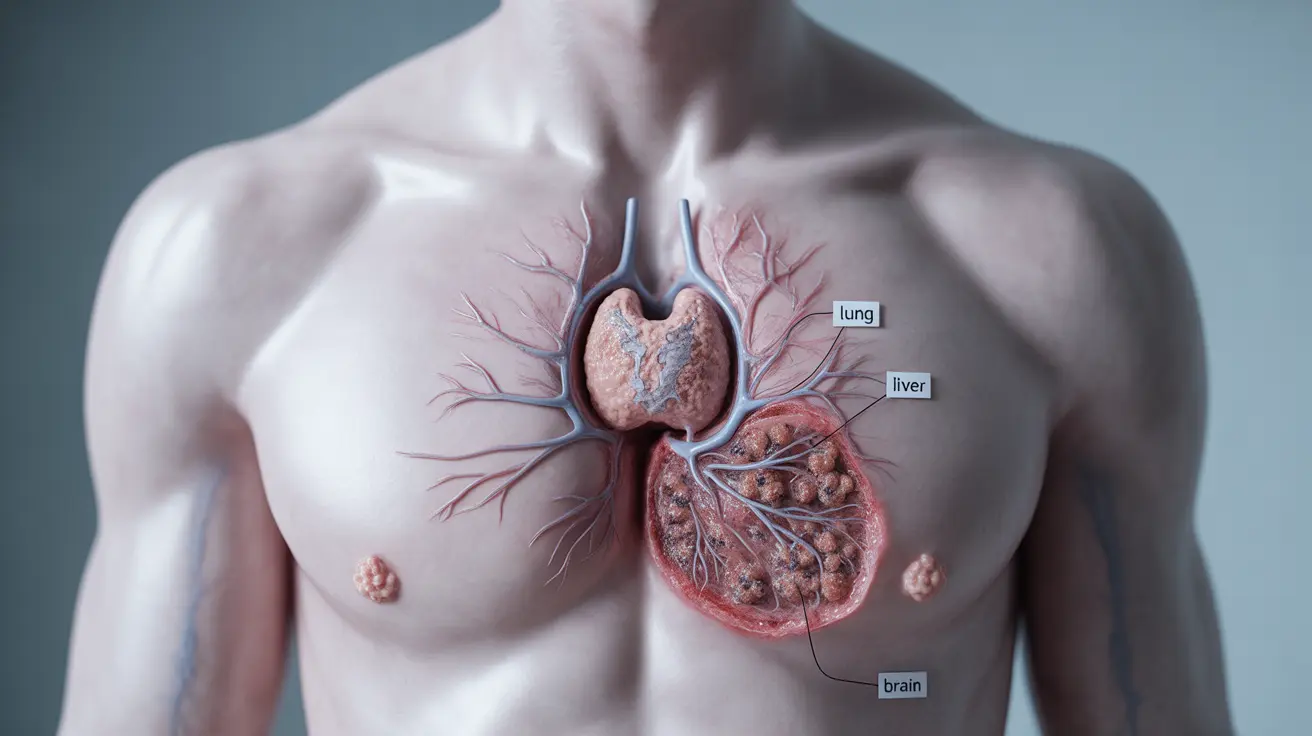
The disease usually starts unilaterally but has the potential to spread to the chest wall, diaphragm, and opposite lung if left untreated.
What Causes Mesothelioma? Asbestos Exposure and Risk Factors
A very large proportion of mesothelioma cases, approximately 80%-90%, develop as a result of exposure to a natural mineral fiber called “asbestos”.
When asbestos fibers enter the lung through inhalation, they cannot be eliminated from the tissues due to their needle-like structure and become lodged in the pleural membrane, initiating a chronic irritation process that lasts for years.
This irritation causes deterioration in the genetic structure of the cells, triggering cancer decades later.
Environmental and Occupational Asbestos Theme
Occupational exposure is particularly common in workers involved in shipbuilding, insulation, construction, automotive brake pad production, and plumbing work.
Individuals working without protective equipment in these lines of work inhale asbestos fibers intensively.
In addition, the transportation of fibers adhering to the clothes of workers working in asbestos environments to the house creates the risk of “secondary exposure” in family members.
The most characteristic feature of the disease is that it occurs after a long period of 20 to 50 years after the first contact with asbestos.
Mesothelioma in Turkey: The White Earth Effect
In Turkey, mesothelioma has an incidence above the world average due to “environmental asbestos” rather than industrial exposure.
Especially in some villages in the Central and Southeastern Anatolia regions, the use of asbestos-containing soil, known as “white soil” or “white soil” by the people, in plastering houses, whitewashing or as powder for babies is a serious risk factor.
In Eskişehir, Diyarbakır and Cappadocia regions, the genetic predisposition and environmental interactions caused by this situation are the subject of scientific studies.
Another type of mineral called erionite can similarly cause mesothelioma.
What are the Symptoms of Mesothelioma?
In the initial stage of the disease, the symptoms are quite mild and can often be mistaken for a cold or fatigue.
However, when fluid begins to accumulate between the lung membranes, the symptoms become more pronounced and uncomfortable:
- Shortness of Breath (Dyspnea): It is the most common symptom that occurs as a result of the accumulated fluid compressing the lung.
- Persistent Chest Pain: Blunt or stinging pain felt in the rib cage and spreading to the back and shoulders over time.
- Dry Cough: Coughing fits without phlegm that develop due to irritation in the lung membranes.
- Unexplained Weight Loss: Rapid weight loss due to loss of appetite and shifts in metabolism.
- Hoarseness and Difficulty Swallowing: It occurs when the tumor presses on the nerves in the chest cavity or the esophagus.
- Night Sweats and Fever: Fluctuations in body temperature due to the inflammatory process.
Mesothelioma Stages: How Does the Disease Progress?
The first thing to do after mesothelioma is diagnosed is to determine the spread of the disease in the body, that is, its “stage”.
Staging is the most determining factor in choosing the treatment strategy (surgery or chemotherapy?).
- Stage 1: The tumor is limited only to the pleura; It has not yet spread to the lung tissue or lymph nodes. This stage is the stage with the highest chance of surgical success.
- Stage 2: The cancer has started to spread slightly beyond the pleura and into the lung’s own tissue or diaphragm (breathing muscle).
- Stage 3: The tumor has now reached the chest wall, the lymph nodes in the chest cavity or the membrane surrounding the heart (pericardium).
- Stage 4: The cancer has metastasized to the opposite lung, abdominal cavity or distant organs such as bone.
Mesothelioma Diagnosis and Diagnostic Methods
Diagnosing mesothelioma is a specialized process due to the insidious nature of the disease and its similar symptoms to other lung diseases.
Physical examination alone is not enough; It is essential to use radiological and pathological examinations together.
Chest X-ray and Computed Tomography (CT) Findings
The first step in the diagnostic process is usually a standard chest X-ray; Here, fluid accumulation (pleural effusion) is usually observed between the lung membranes.
However, Computed Tomography (CT) is required for a more detailed examination.
CT examination looks for characteristic “mesothelioma signs” such as irregular thickenings of the pleura, nodular structures formed on the membrane, and loss of volume of the lung.
Metastasis Evaluation with PET-CT
PET-CT is an advanced imaging modality that monitors the retention of radiolabeled sugar delivered to the body by cancerous tissues.
This method is used to understand how aggressive mesothelioma is and to determine whether it has spread to another part of the body (bone, liver, etc.).
Furthermore, PET-CT plays a critical role in assessing post-treatment response.
Pleural Fluid Analysis and Thoracoscopic (VATS) Biopsy
A definitive diagnosis can only be made with a tissue sample (biopsy).
Usually, as the first step, a sample is taken from the fluid between the lung membranes with the help of a needle (thoracentesis).
However, liquid-only analysis can sometimes be misleading; therefore, the most reliable method is the “Closed Pleural Biopsy”, that is, the VATS method.
In the VATS procedure, a small camera is entered into the rib cage; Pieces of sufficient size are taken from directly observed suspicious areas and sent for pathological examination.
Prof. Dr. Levent Alpay: In the case of suspicion of mesothelioma, biopsy does not only seek an answer to the question “Is there cancer?”; It also determines the subtype of the tumor (epithelioid, sarcomatoid or mixed). This subtype information is the most important genetic key that determines how well the patient will respond to chemotherapy and life expectancy.
Mesothelioma Treatment Methods
Mesothelioma requires a process that is quite complex to treat and usually involves multiple disciplines (surgery, oncology, radiotherapy) working together rather than a single method.
While preparing the treatment plan, the patient’s age, general health status and stage of the disease are evaluated in detail.
Multimodal Treatment Approach
Today, the gold standard in the treatment of mesothelioma is the “multimodal”, that is, multi-faceted treatment approach.
In this approach, surgical intervention alone is not considered sufficient; It is aimed to completely control the tumor cells by supporting it with chemotherapy and radiotherapy before or after the operation.
Mesothelioma Surgery (EPP and P/D Techniques)
Surgical intervention is performed with two main techniques in order to completely remove the tumor or relieve the patient’s shortness of breath:
- Extrapleural Pneumonectomy (EPP): It is a very aggressive method; The diseased lung, pleura, half of the diaphragm and pericardium are removed as a whole. It is preferred only in highly selected, young patients with high reserve.
- Pleurectomy/Decortication (P/D): It is the process of peeling off only the tumor-covered pleura while preserving the lung tissue. Today, it is the more preferred method because it protects lung functions.
Chemotherapy and Immunotherapy Options
In cases that are not suitable for surgery or in preparation for surgery, drug treatments come into play.
“Immunotherapy” drugs developed in recent years train the body’s own immune system to fight cancer cells and provide promising results in some types of mesothelioma.
Radiotherapy and Hot Chemotherapy (HITHOC) Application
Radiotherapy is used to destroy microcells remaining after surgery or to relieve pain.
In addition, with the HITHOC (Hyperthermic Intrapleural Chemotherapy) method applied during surgery, it is aimed to directly clean the invisible cells by administering chemotherapeutic drugs to the chest cavity at a temperature of 42°C at the end of the surgery.
Mesothelioma Treatment Options Comparison Table
| Treatment Method | Objectives | Method of administration |
| P/D Surgery | Cleaning the membrane by protecting the lung | Major surgery |
| Chemotherapy | Shrinking tumor cells | Vascular access (Medicine) |
| HITHOC | Destroying the remaining cells with hot medicine | During surgery |
| Immunotherapy | Triggering the immune system | Periodic doses |
Life and Follow-up After Mesothelioma Surgery
The postoperative period is a period during which the patient focuses on respiratory rehabilitation.
Patients are treated every 3 months for the first 2 years after discharge; In the following years, it is closely followed up with Computed Tomography and blood tests every 6 months.
Case Experience (Anonymous):
A 62-year-old patient with a history of asbestos exposure presented with severe flank pain and shortness of breath. VATS biopsy revealed epithelioid type mesothelioma. First, the tumor was shrunk with chemotherapy, followed by P/D (Lung protective membrane peeling) surgery. The patient, who underwent HITHOC (hot chemotherapy) during the operation, is in his 3rd postoperative year and his follow-up is stable.
Prof. Dr. Levent Alpay: Success in mesothelioma treatment is hidden in the “personalized treatment” plan. Each patient’s tumor structure is different; For this reason, instead of a single type of treatment, combinations suitable for the patient’s genetic structure and quality of life expectancy should be chosen. Don’t lose hope; New generation immunotherapies and surgical technologies allow us to get much stronger results in this disease.
For a detailed evaluation of mesothelioma diagnosis or suspicion, you can seek an expert opinion and make an appointment with our clinic.
Frequently Asked Questions
Can Mesothelioma Heal Completely?
Mesothelioma is a chronic and serious disease; In medicine, instead of “complete recovery”, it is aimed to suppress the disease and ensure that the patient lives a quality life (survival) for many years. In the early stages, the chances of achieving this goal are much higher.
Is Fluid Accumulation in the Pleura a Sign of Cancer?
Not all fluid accumulation is cancer; Heart failure, infections or TB can also make fluid. However, fluid accumulation in those with a history of asbestos should be further examined for mesothelioma.
What is the Life Expectancy After Mesothelioma Diagnosis?
Life span; It varies greatly according to the stage of the disease, the cell type of the tumor and the treatments applied. With modern treatments, these periods can be significantly extended compared to the past.
Scientific Bibliography
- New England Journal of Medicine (2021): Perspectives on the Treatment of Malignant Pleural Mesothelioma – Janes SM et al.
- Journal of Clinical Oncology (2025): Treatment of Pleural Mesothelioma: ASCO Guideline Update – Kindler HL et al.
- PubMed: HITHOC in the treatment of malignant pleural mesothelioma
- European Respiratory Journal (2020): ERS/ESTS/EACTS/ESTRO guidelines for the management of malignant pleural mesothelioma – Scherpereel A et al.